-
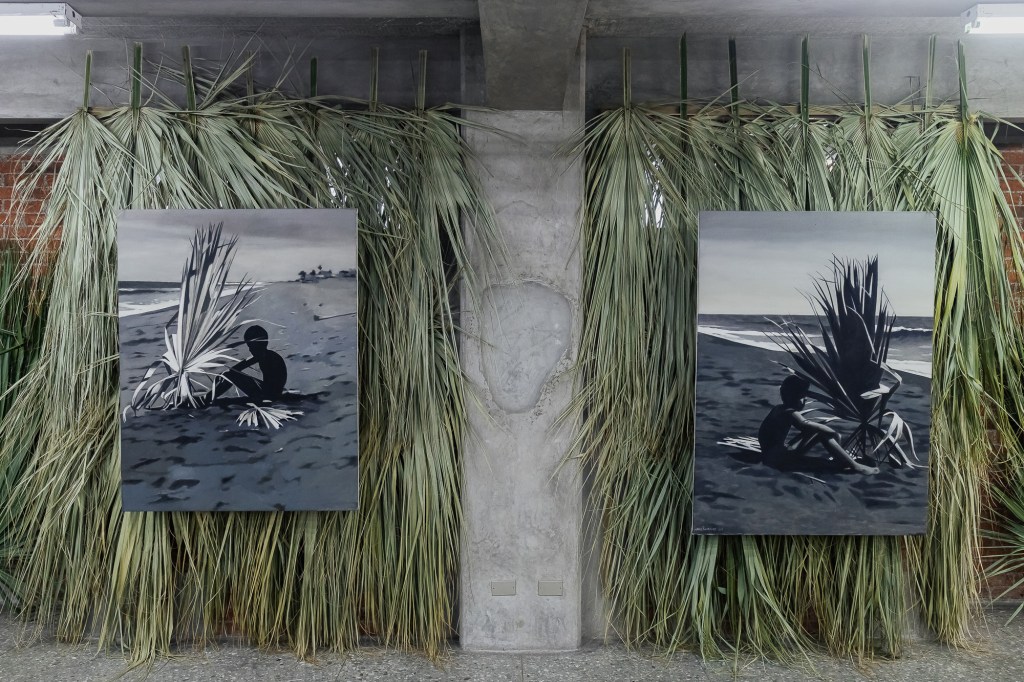
Moisés Barrios: La casa es un viaje
La casa es un viaje se construye entre los murmullos de los espacios más íntimos del Pacífico, resguardados entre luz, sombra y hojas de palma. Moisés Barrios se torna con fervor temático hacia la palma, estudiando su materialidad en la vida y en la muerte para explorar su trascendencia en la cotidianeidad de la costa guatemalteca. El uso de la palma como material de construcción constituye una respuesta vernácula frente al sol intenso, la humedad y la brisa marina del trópico.
-
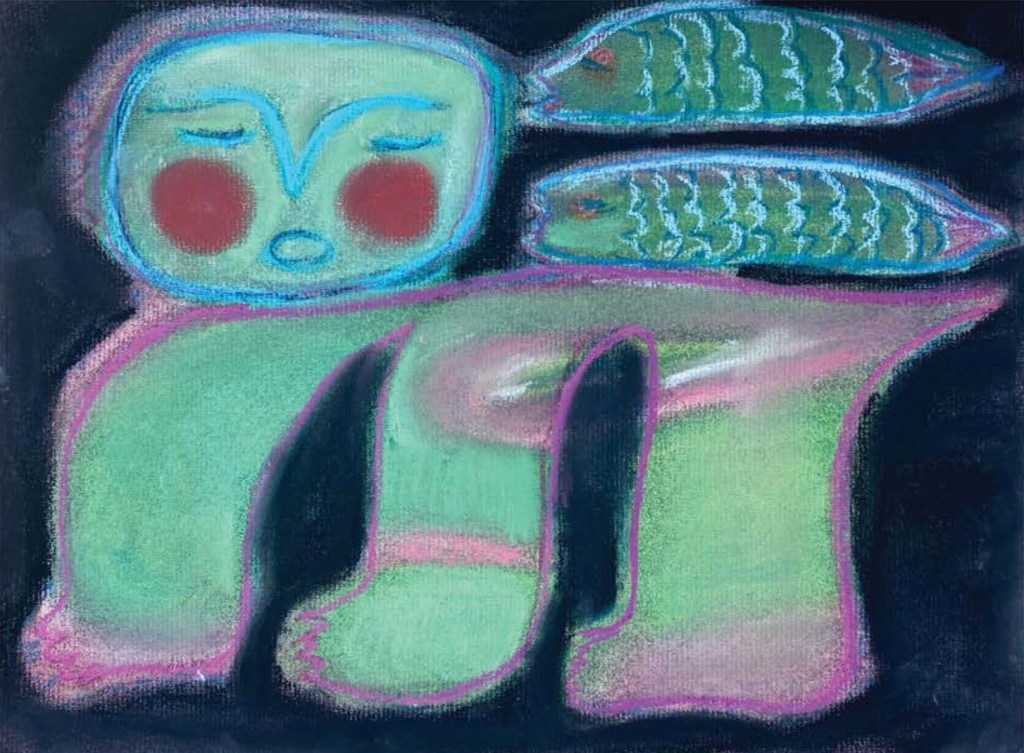
Genealogías y mundos imposibles: La mutabilidad de la memoria en la obra de Mena Guerrero
La obra de Mena Guerrero se empeña en hacer visibles las conexiones minúsculas que dan forma al mundo. Genealogías y mundos imposibles, la más reciente muestra de la artista guatemalteca, se establece como un pequeño cosmos habitado por seres amorfos, de contornos tan ambiguos que llegan a entremezclarse con las formas de composiciones vecinas. Cuando llegan a definirse concretamente, solo lo hacen en relación con aquello que los rodea, y se combinan ilimitadamente para crear un cuerpo mutante hecho de figuras, líneas, y colores convergentes.
-
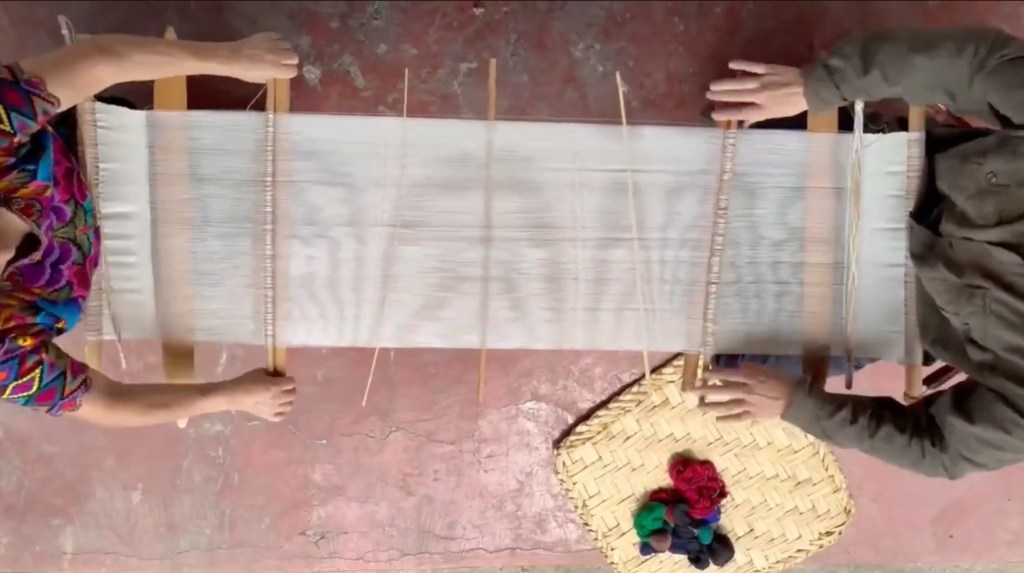
Woven encounters: The Backstrap Loom and Contemporary Art in Guatemala
Textile-based art has often remained at the margins of contemporary art movements and the critical dialogues that surround them. They are generally coded as handicrafts—worthy of aesthetic admiration, yet dismissed as decorative rather than understood as capable of expressing complex individual, political, or conceptual concerns. In the case of Indigenous textiles, this marginalization is further shaped by colonial hierarchies that have long dictated not only what counts as art, but also which social groups are recognized as its legitimate producers.
-
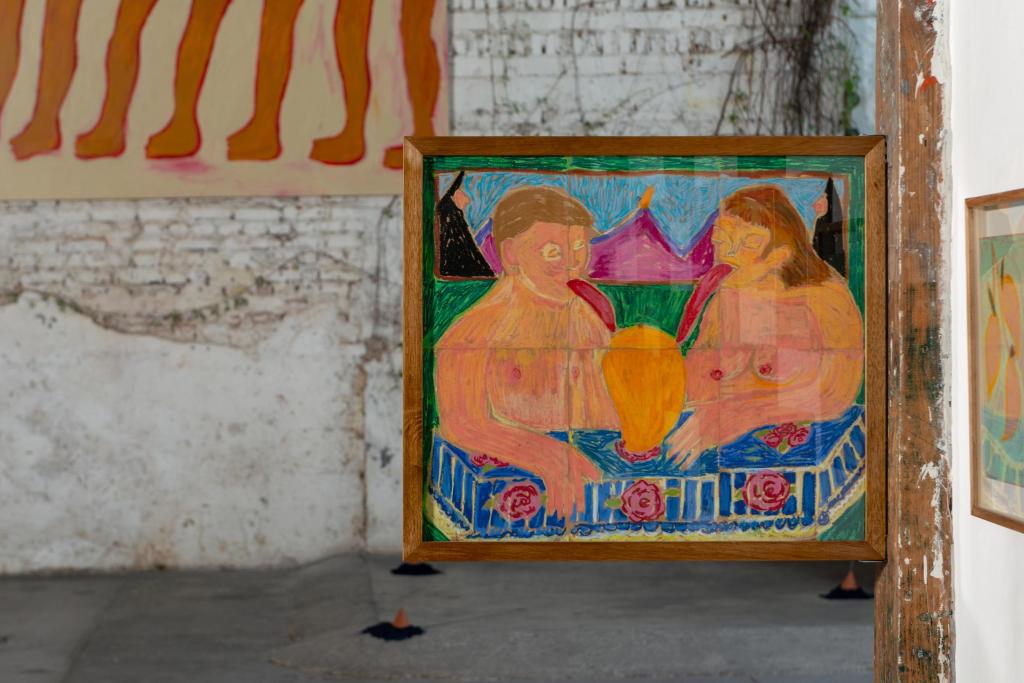
«Entre el cráter y el cuerpo»: Unearthing tenderness in Mena Guerrero’s practice
Mena Guerrero views the body as the primal interface between the self and the environment. She describes the first instance of knowing you are yourself within your body: “you know your hand, you know your face.” But when attempting to find the limits of the self, she proposes, one tends to look towards all those things that we are not, which, if we are to follow what Lacan theorizes, is also how desire is constructed. Guerrero builds the Self through networks of relationality and desire.
-
Morgan Grigsby in Half a Second or Less
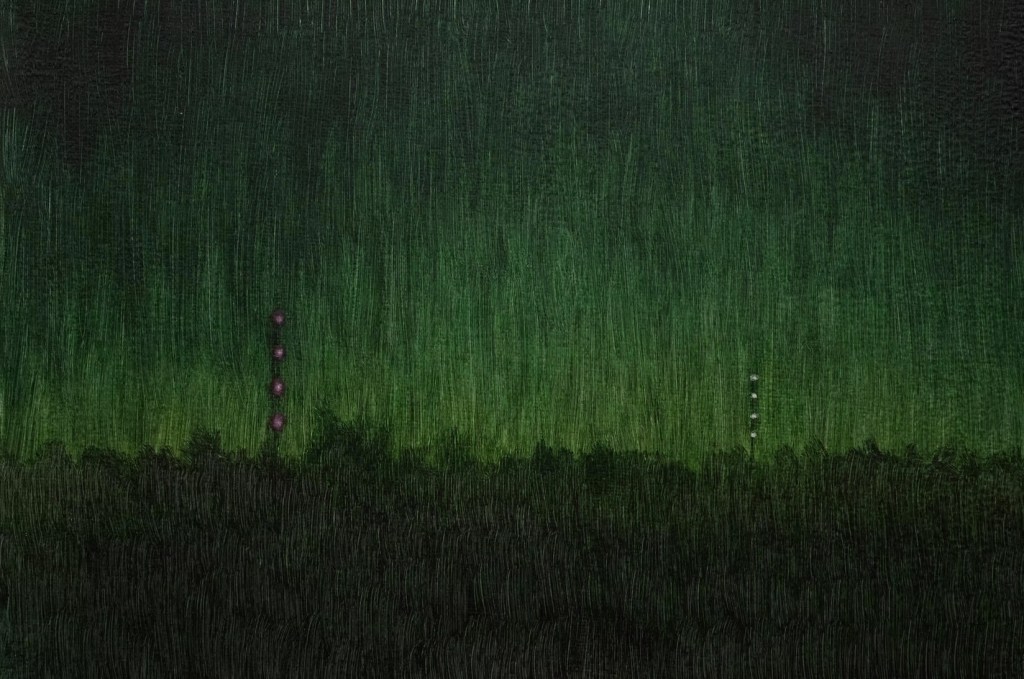
Morgan Grigsby paints as a meandering act, producing a wandering visual experience that takes the viewer through the Gulf Coastal Plain of Texas. He unearths an esoteric history of the region, working from sensorial memories through which he explores the atmospheric effects of mud, fog, rain and light. Grigsby’s work pushes the edges of representation and abstraction to find the aural qualities of Southeast Texas.
-
«La mentira de todas las cosas reales, la realidad de todas las ficciones»: La proyección del ladino y lo indígena en la obra, vida, e imagen de Miguel Ángel Asturias
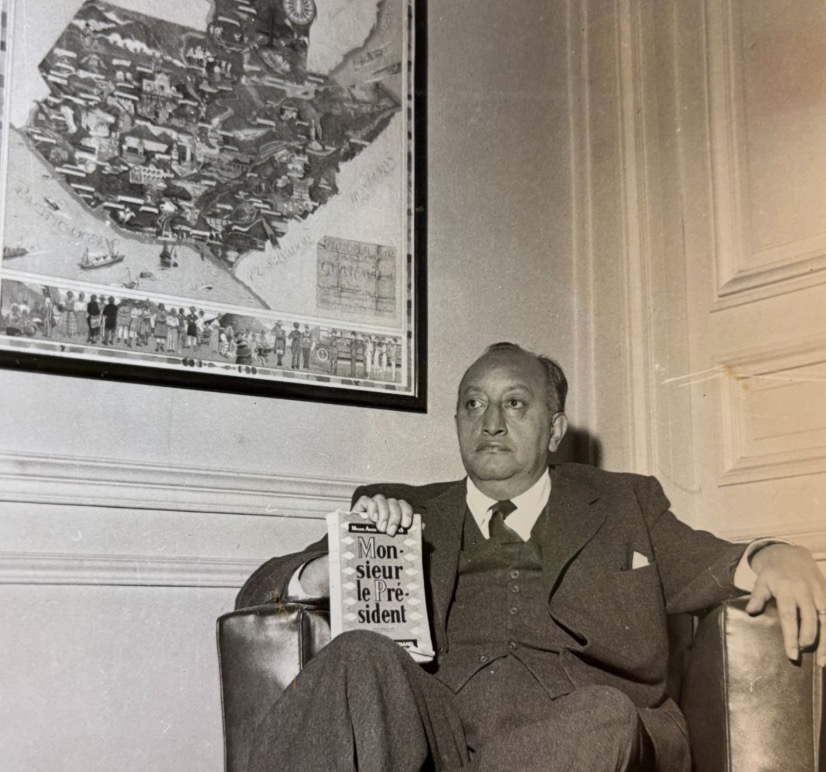
Asturias revela la complejidad del contexto latinoamericano a través de una combinación experta de lo místico con lo real y lo psicológico, estableciéndose en el mundo literario, tal como lo indica el crítico Gerald Martin, como un profeta del Boom Latinoamericano. Los textos de Asturias son aún más característicos por su incorporación de lo maya precolombino dentro de la realidad guatemalteca, vislumbrado entre sueños, rituales, y claras alusiones a los regímenes totalitarios del siglo XX.
-
«Más fuerza que una herida en la carne»: Catharsis and memory in the work of Isabel Ruiz
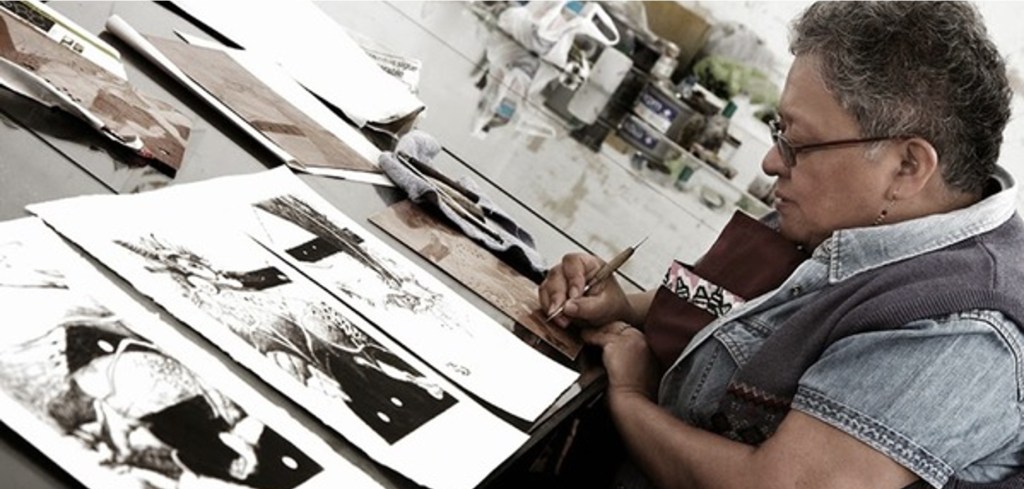
For Isabel Ruiz (b. Guatemala City, 1945), art became the only way to soothe the open wounds left by life during the Guatemalan Armed Conflict.1 She traces this realization to a student art trip to Rabinal2 in the mid-1960s, where she first observed local artisans carving traditional jícaras, their hands roughened and marked by agricultural labor. The act of carving out shapes on the surface of the jícaras seemed to her like light shining through darkness, something she had long been devoted to seeking in her own practice.
-
1969 Daily Huipil from Santiago Atitlán, Sololá
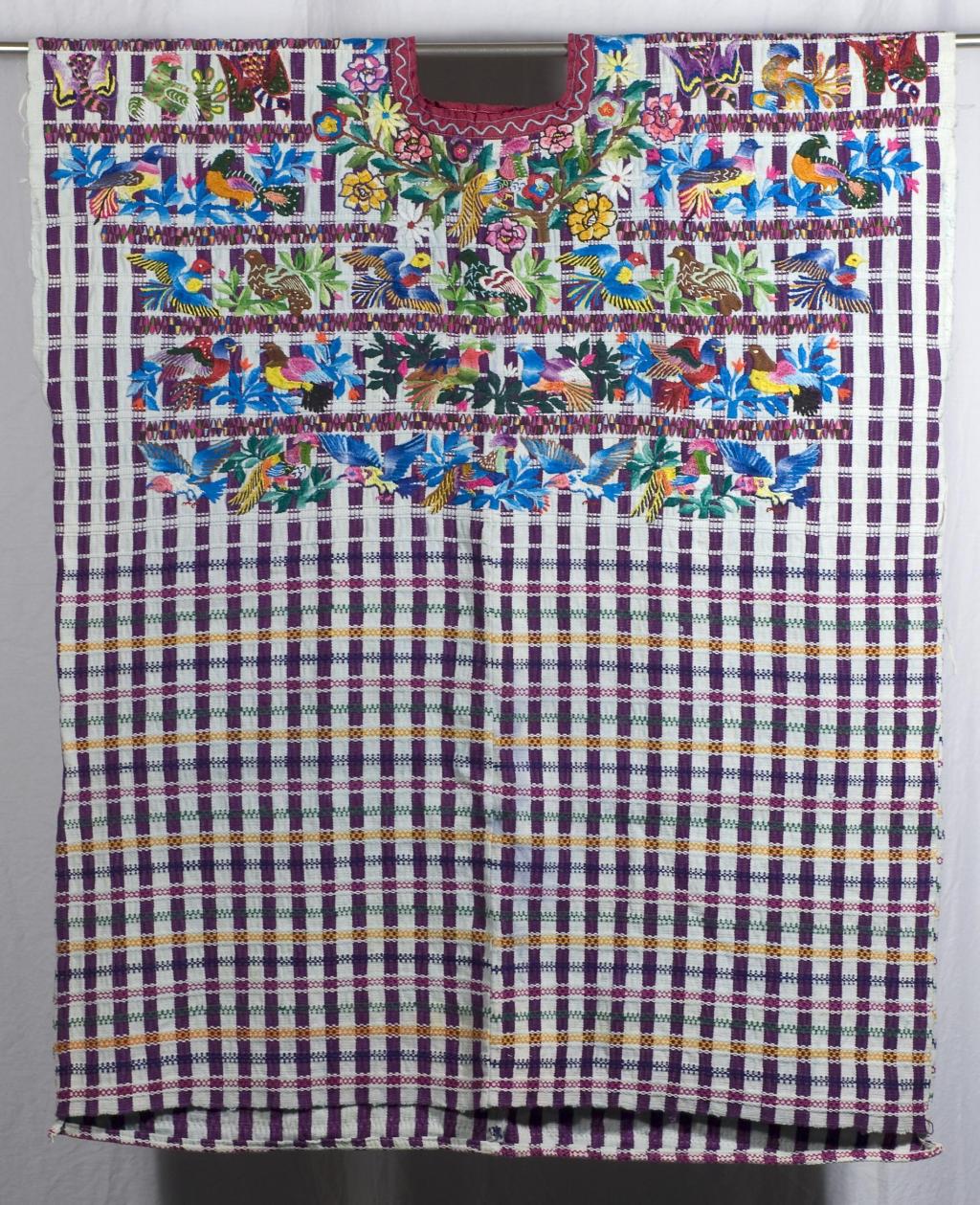
Daily huipiles in Santiago Atitlán are easily identifiable by the embroidered birds that typically occupy the top half of the textile. In this piece in particular (Figure 1), the finely needleworked birds perch on a grid created by white brocaded details overlaid on a mauve-and-white striped background. The chest of the huipil is further decorated with flowers, leaves, and a wide-branched tree that wraps around the neck. When putting on the huipil, the wearer places herself at the center of this cacophony of flora and fauna, recognizable as the luscious landscape of Santiago Atitlán, or The House of the Birds.
